


What Makes Something “Graphic Design”
At its core, graphic design is intentional visual communication. A designer makes deliberate choices about every element on a page so the viewer understands, feels, or does something specific.
It is not decoration for its own sake. Every color, shape, and font serves a purpose.
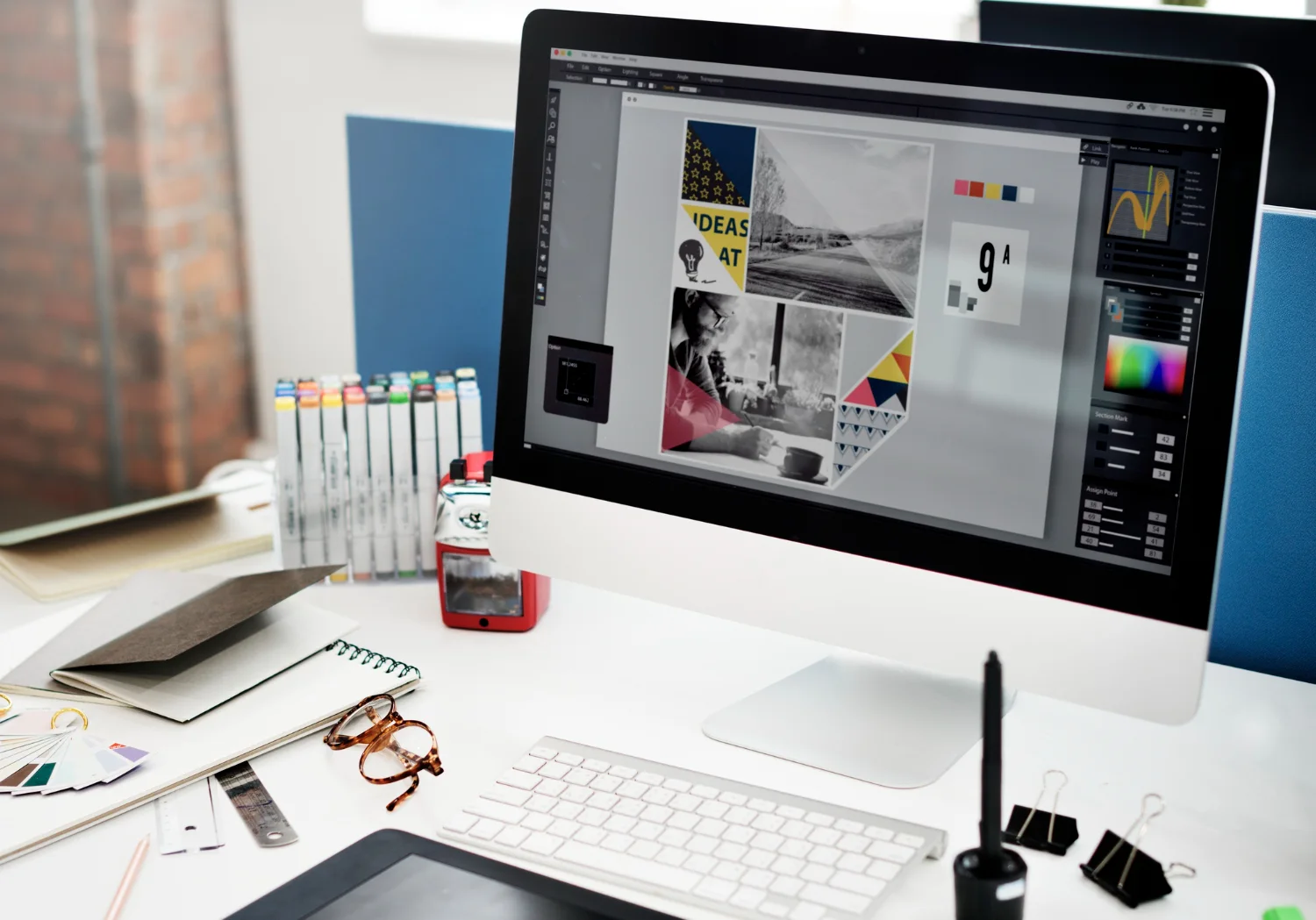
The Core Elements of Design
Understanding the elements of design gives you a foundation for reading and creating visuals with confidence.
Line
Lines guide the eye and create structure. They can be bold and assertive or soft and suggestive, depending on what the design needs to communicate.
Shape
Shapes give form to ideas. Circles suggest warmth and continuity, while sharp angles often signal energy or precision.
Color
Color carries emotional weight before a viewer reads a single word. Designers use color theory to trigger specific associations and moods that match the message.
Visual Design Principles That Make Design Work

Knowing the elements of design is only the start. Visual design principles are the rules that tie those elements together into something coherent.
These principles include contrast, alignment, repetition, and proximity. Apply them well and your designs feel professional. Ignore them and something will feel off, even if the viewer cannot name why.
What Is Typography and Why Does It Matter
Typography is the art of arranging type so text is readable, appealing, and meaningful. It is one of the most powerful tools in a designer’s kit.
The typeface you choose says something before the reader processes the words. A rounded sans-serif feels friendly. A sharp serif feels authoritative. Knowing what is typography means knowing how to use that power on purpose.
Types of Design You Should Know
Graphic design is not a single discipline. It branches into many specializations, each with its own methods and goals.
Branding and Identity
This covers logos, color palettes, and the visual language a company uses across all touchpoints.
Print Design
Posters, brochures, book covers, packaging. Print design requires understanding physical materials and production constraints.
Digital and UI Design
Websites, apps, and social media graphics. Digital design must account for screens of every size and user interaction.
Motion Design
Animation and video graphics that bring static visuals to life, used in ads, explainer videos, and social content.
Frequently Asked Questions
What is graphic design in simple terms?
Graphic design is the practice of combining visuals and text to communicate a message. Designers solve communication problems using images, type, color, and layout.
What are the main elements of design?
The core elements of design are line, shape, color, texture, space, form, and value. These are the building blocks every visual is made from.
What are the key graphic design principles?
Graphic design principles include contrast, alignment, repetition, proximity, balance, and hierarchy. They guide how elements are arranged to create clear and effective visuals.
What is typography in graphic design?
Typography is the selection and arrangement of type to make written language legible, readable, and visually compelling. It includes choices about font, size, spacing, and weight.
What are the most common types of design?
The most common types of design include brand identity, print design, digital and UI design, motion design, packaging design, and illustration.
Start Seeing Design Differently
Once you understand what graphic design is and how its elements and principles work, you start noticing it everywhere.
That awareness is the first step toward creating visuals that actually connect with people. Explore the guides on this site to go deeper into each area, at whatever pace feels right for you.