
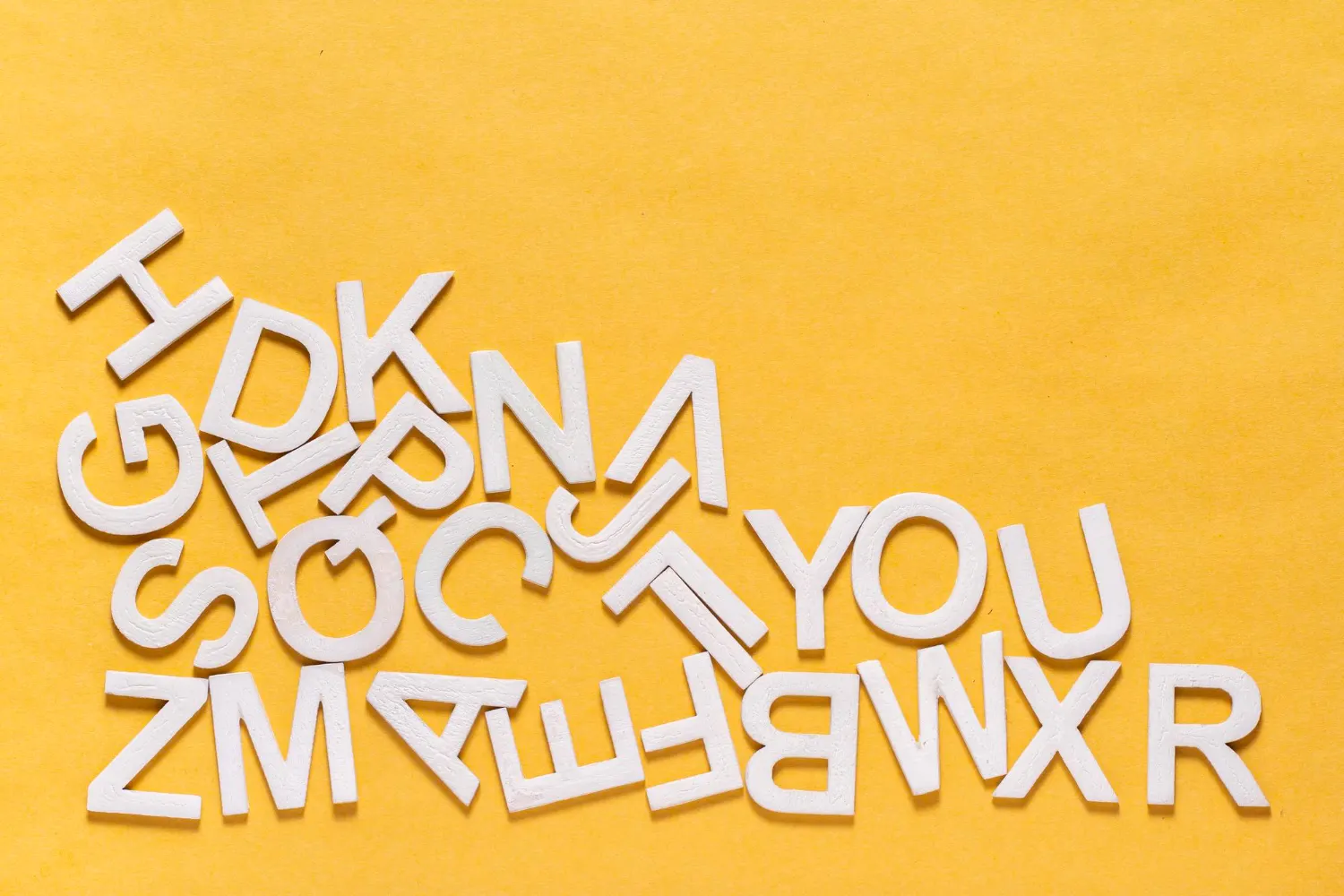
Typography is the practice of arranging type to make written language clear, readable, and visually compelling. It is one of the oldest and most powerful elements of design.
Every time you read something and it feels effortless, typography is doing its job. Every time you squint at a menu or lose your place on a webpage, it is failing.
Typography is not just a technical decision. It is a design choice that carries tone, emotion, and meaning before the reader processes a single word.
Typography and the Elements of Design
Typography does not exist in isolation. It works alongside other core elements of design like color, space, and shape to create a complete visual experience.
Type choices affect the feel of an entire layout. A bold, condensed headline creates tension and urgency. A light, airy body font invites the reader to slow down and stay.
Understanding typography means understanding how it interacts with everything else on the page.
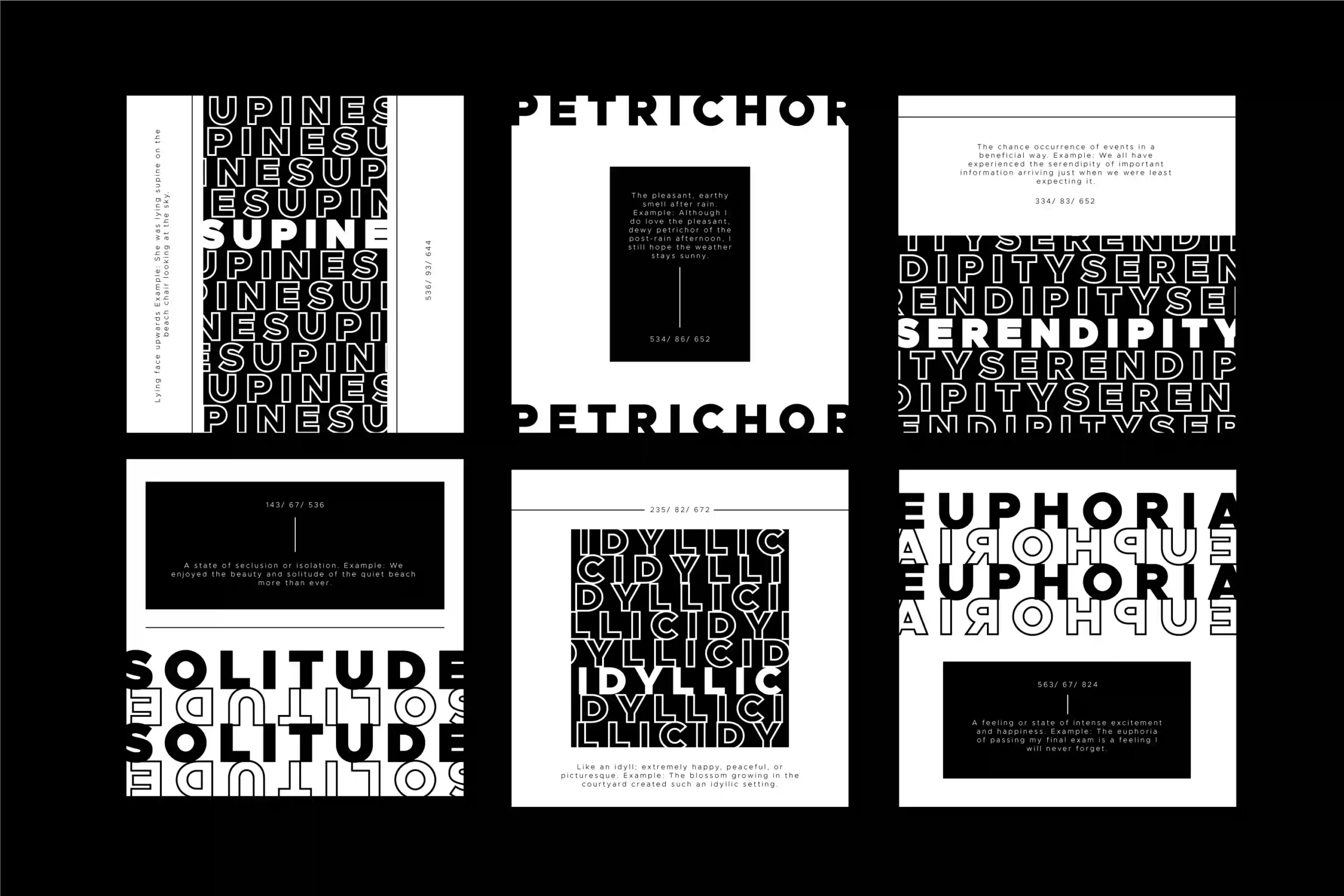
The Core Elements of Typography Design
Typeface and Font
These two terms are often confused. A typeface is the overall design of the lettering, such as Helvetica or Garamond. A font is a specific variation within that typeface, such as Helvetica Bold or Garamond Italic. Knowing the difference helps you make more precise choices in your work.
Hierarchy
Typographic hierarchy tells the reader what to pay attention to first. It is created through differences in size, weight, and spacing. A clear hierarchy makes complex content feel organized and easy to navigate.
Spacing
Spacing in typography includes tracking (space between letters), kerning (space between specific letter pairs), and leading (space between lines). These subtle adjustments have a major impact on readability and the overall feel of a design.
Alignment
How type is aligned on a page, whether left, center, right, or justified, affects both readability and visual tone. Left alignment is the most readable for long-form content. Centered alignment works well for display text and short statements.
How Visual Design Principles Apply to Typography
Good typography follows the same visual design principles that govern every other element of design.
Contrast between heading and body type creates clear hierarchy. Repetition of typeface choices builds visual consistency. Proximity of related text groups information logically.
Graphic design principles are not separate from typography. They are the framework through which great typographic choices are made.
Frequently Asked Questions
What is typography in simple terms?
Typography is the art of arranging type to communicate clearly and visually. It includes decisions about fonts, spacing, hierarchy, and alignment that affect how readable and appealing text feels.
What is the difference between a typeface and a font?
A typeface is a family of related letterform designs, like Times New Roman. A font is a specific version within that family, such as Times New Roman Bold 12pt. Designers use the terms differently, but the distinction matters in professional practice.
How does typography relate to logo design principles?
Typography is central to most logo design. The typeface you choose for a logotype or wordmark communicates brand personality instantly. Strong logo design principles always include deliberate and considered type choices.
What are the main visual design principles for typography?
The key principles are contrast, hierarchy, alignment, repetition, and balance. Applied to type, they determine how easy a design is to read and how well it communicates its intended message.
Why does typography matter in graphic design?
Typography shapes how content feels before it is read. Poor typography makes even strong content harder to absorb. Good typography builds trust, creates emotion, and guides the viewer through information with ease.